The heavens declare the glory of God;
the sky displays his handiwork.
Day after day it speaks out;
night after night it reveals his greatness.
Psalm 19:1-2, ESV
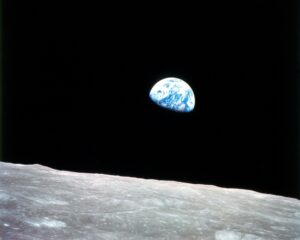
The heavens are indeed awe-inspiring, and no one can look at them without feeling some sense of wonder, even those without religious convictions. Pictures taken of outer space—and from outer space—give us pause and nudge us towards God.
Such was the case with Apollo 8, the first manned spacecraft to the moon, in 1968. The images sent back to Earth were gripping, and people wondered what the astronauts would say in their Christmas Eve address to the world. Approximately one billion people tuned in (about 1 in 4 of all people at the time) and heard them read the opening verses of the Bible about the creation of the universe: https://www.youtube.com/watch?v=ToHhQUhdyBY
Religious feelings and conviction were also on display from the crew of Artemis 2 in April 2026, as they explained how their experience in space was overwhelming, with even a non-religious member of the crew being moved to tears: https://www.youtube.com/shorts/gB20eZ3VUKA
According to Psalm 19, the heavens tell us about God’s glory, handiwork, and greatness. But what, if anything do they teach us about his moral character? Quite a lot, as the Apostle Paul explains:
For the wrath of God is revealed from heaven against all ungodliness and unrighteousness of people who suppress the truth by their unrighteousness, because what can be known about God is plain to them, because God has made it plain to them. For since the creation of the world his invisible attributes—his eternal power and divine nature—have been clearly seen, because they are understood through what has been made. So people are without excuse.
Romans 1:18-20
Echoes of these passages from Psalms and Romans are evident in the famous musings of the philosopher Immanuel Kant, who wrote in 1788:
“Two things fill the mind with ever new and increasing admiration and awe, the more often and steadily we reflect upon them: the starry heavens above me and the moral law within me.”